
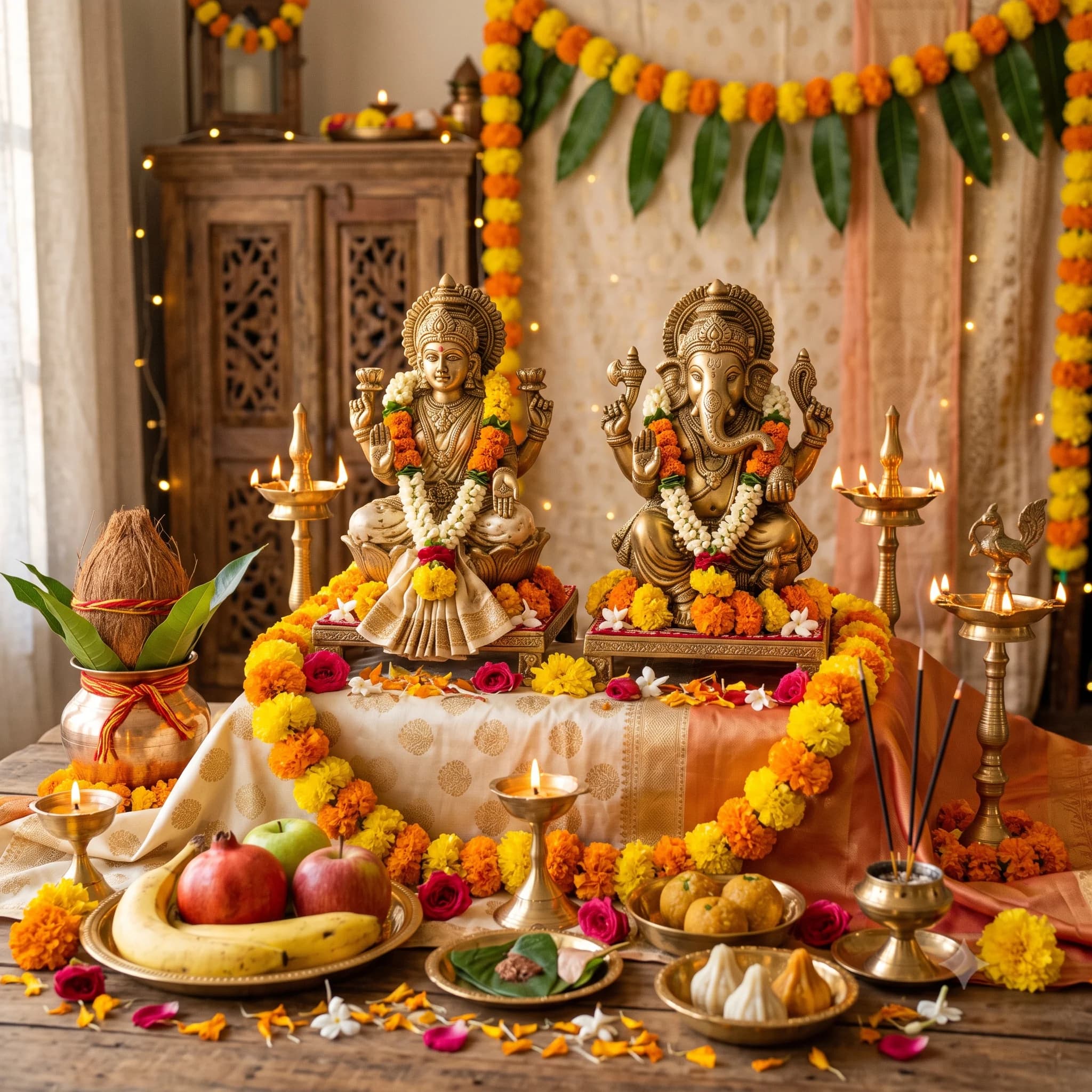
Ekadashi is the eleventh lunar day (tithi) of each fortnight, and it comes twice a month. In the Vaishnava tradition in particular, it is one of the most important days for fasting, prayer and restraint, dedicated to Lord Vishnu.
Key takeaways
- There are 24 Ekadashis in a normal year, and 26 in a year with an extra (Adhik) month.
- Dates differ by city and tradition. Always check a local panchang before observing.
- The fast begins the evening before, and is broken on Dwadashi (the twelfth day) after sunrise.
- Strict, partial and fruit-based versions of the fast exist, so choose what suits your health.
Why Ekadashi is observed
According to Puranic tradition, fasting on Ekadashi purifies the mind and body and brings the devotee closer to Vishnu. Each Ekadashi has its own name and its own story in the Puranas, and many families tell these stories on the day. Observing the fast is regarded as an act of discipline and devotion, not a punishment.
The 24 Ekadashis
Names are listed here by month in the amanta calendar (used in Gujarat, Maharashtra and the south). North Indian (purnimanta) calendars give the dark fortnight the name of the previous month, so the same Ekadashi can appear under a different month name there.
- Chaitra: Papamochani (Krishna), Kamada (Shukla)
- Vaishakha: Varuthini (Krishna), Mohini (Shukla)
- Jyeshtha: Apara (Krishna), Nirjala (Shukla)
- Ashadha: Yogini (Krishna), Devshayani (Shukla)
- Shravana: Kamika (Krishna), Shravana Putrada (Shukla)
- Bhadrapada: Aja (Krishna), Parivartini (Shukla)
- Ashwin: Indira (Krishna), Papankusha (Shukla)
- Kartik: Rama (Krishna), Prabodhini or Devutthana (Shukla)
- Margashirsha: Utpanna (Krishna), Mokshada (Shukla)
- Pausha: Saphala (Krishna), Pausha Putrada (Shukla)
- Magha: Shattila (Krishna), Jaya (Shukla)
- Phalguna: Vijaya (Krishna), Amalaki (Shukla)
How to find the correct date
An Ekadashi begins and ends at different times in different places, and the tithi can span two civil days. Many Smarta and Vaishnava traditions also observe Ekadashi on different days. So the safest way is to use a panchang for your own city, or to ask your family's pandit. We do not list fixed calendar dates here, because they change every year and a wrong date would mean a missed fast.
Fasting rules
- Eat a light meal without grains on Dashami (the tenth day), and avoid heavy food in the evening.
- On Ekadashi, either fast completely or eat only fruit, milk, nuts and water, according to your capacity.
- Spend the day in prayer, kirtan, scripture reading and japa of Vishnu mantras.
- Break the fast (parana) on Dwadashi morning after sunrise, within the time given in the panchang.
- Avoid rice, wheat, lentils and other grains on Ekadashi, and onion and garlic on both days.
- Do not break the fast during Hari Vasara, the first part of Dwadashi, if your panchang marks it.
Nirjala Ekadashi
Nirjala Ekadashi, in Jyeshtha, is the one Ekadashi observed without even water. Tradition tells that Bhima, who found fasting hard, observed this single Ekadashi in place of all the others. It is physically demanding, and not advisable for everyone.
A note on health
Fasting is a personal choice and tradition itself allows fruit and milk. If you are pregnant, elderly, diabetic or on medication, or are caring for a young child, speak to your doctor before fasting and choose a gentler version.
Frequently asked questions
Can I drink tea or coffee on Ekadashi?
Practices differ. Many families allow milk, tea or fruit juice on a partial fast. Follow your family's custom.
Can a pandit perform a Vishnu puja for Ekadashi?
Yes. A pandit can conduct Ekadashi puja or a Satyanarayan Katha, which many families do on Ekadashi.
Looking for personalised guidance?
Speak with an Āchārya, or plan a ceremony with a pandit.
