
Pradosh Vrat is a fortnightly fast dedicated to Lord Shiva and Goddess Parvati. It is kept on the thirteenth lunar day, and the main worship happens in the evening twilight. For many families it is a quiet, regular rhythm of devotion, twice a month all year.
Key takeaways
- Pradosh falls on Trayodashi, the 13th tithi, in both the waxing and waning fortnights.
- The puja is done in Pradosh Kaal, the twilight window around sunset, not in the morning.
- The vrat is named after the weekday, such as Som Pradosh (Monday) or Shani Pradosh (Saturday).
- Fasting is a personal choice. Fruit and milk are widely accepted, and the elderly or unwell may keep it lightly.
What is Pradosh
The word pradosh refers to the early evening, the hours just after sunset. The tradition says that during this window Lord Shiva is especially pleased with devotion. A popular story links it to the churning of the ocean (Samudra Manthan): when the deadly halahala poison arose, Shiva drank it to protect the worlds, and the devas and asuras later worshipped him in the evening of Trayodashi. Whatever route one takes to the story, the day has become a time to remember Shiva as the protector.
When is Pradosh observed
The vrat is observed when Trayodashi tithi is present during Pradosh Kaal, which is the period around sunset (most calendars take roughly 45 minutes before and after sunset). Because tithis start and end at different hours in different cities, the date can differ between places. Check a panchang for your city, or read our guide to reading a panchang.
When Pradosh falls on a particular weekday it takes that name:
- Som Pradosh (Monday), Monday being Shiva's day
- Bhauma or Mangal Pradosh (Tuesday)
- Shani Pradosh (Saturday), kept by many for relief during difficult Saturn periods
How to observe Pradosh Vrat
In the morning
- Bathe early and wear clean clothes.
- Take a sankalp, a simple resolve to keep the vrat for Shiva and Parvati.
- Offer water to the Shivling or the deity at home and light a lamp.
In the evening, during Pradosh Kaal
- Bathe again or wash hands and feet, and prepare a clean pooja space.
- Perform abhishek of the Shivling with water, then milk, and optionally curd, honey, ghee and sugar water.
- Offer bilva (bel) leaves, white flowers, and sandalwood or bhasma.
- Chant "Om Namah Shivaya" with a mala, or the Maha Mrityunjaya mantra.
- Read or listen to the Pradosh Vrat katha.
- Close with aarti and distribute the prasad.
Fasting rules
- Some devotees keep a nirjala fast (no water) until the evening puja. Most families keep a phalahar fast of fruit, milk and light sattvic food. Choose what suits your health.
- Avoid grains, onion, garlic and non-vegetarian food on the day.
- Break the fast after the evening puja with simple food, or the next morning, as your family custom directs.
- Pregnant women, the elderly, children and anyone with a medical condition should not fast strictly. Devotion matters more than hardship.
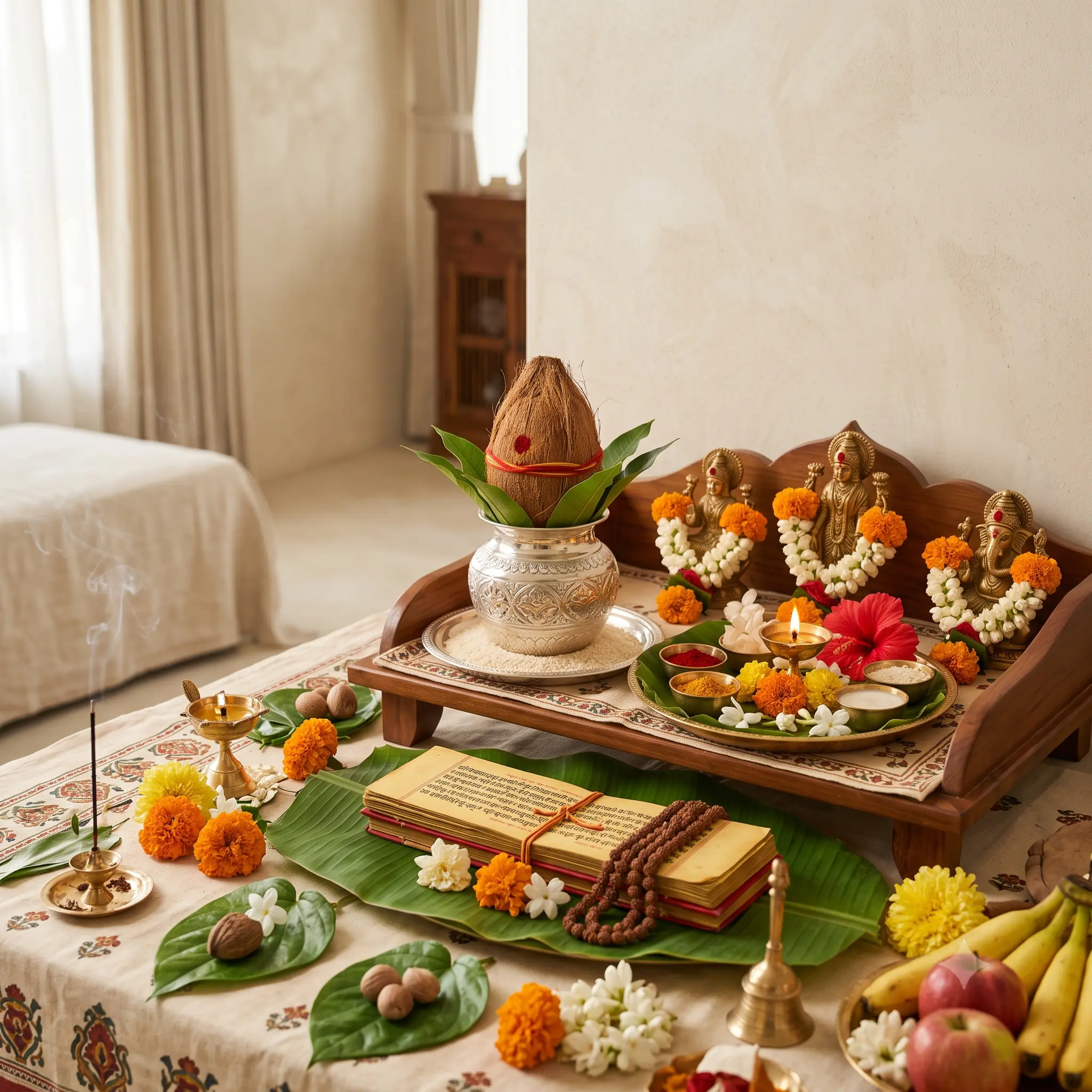
Samagri for the evening puja
- Shivling or Shiva image, a clean plate and a small copper or brass lota
- Water, raw milk, curd, honey, ghee and sugar
- Bilva leaves, white flowers, sandalwood or bhasma
- Incense, a ghee or oil lamp, camphor
- Fruit, and a sweet for prasad
If you wish to perform a fuller abhishek with a pandit, read our guide to Rudrabhishek or arrange one here.
Frequently asked questions
Can women and men both keep Pradosh Vrat?
Yes. It is kept by devotees of all ages and genders, and many couples keep it together.
What if I miss the evening window?
Do the puja as close to the twilight as you can. A sincere, simple worship is still better than none. Your pandit can guide you on exceptions.
How many Pradosh Vrats should be kept?
Some people keep every one, some keep only Som or Shani Pradosh, and some begin a sankalp of 11 or 26 Pradosh Vrats. This is a personal choice and varies by family tradition.
Looking for personalised guidance?
Speak with an Āchārya, or plan a ceremony with a pandit.