
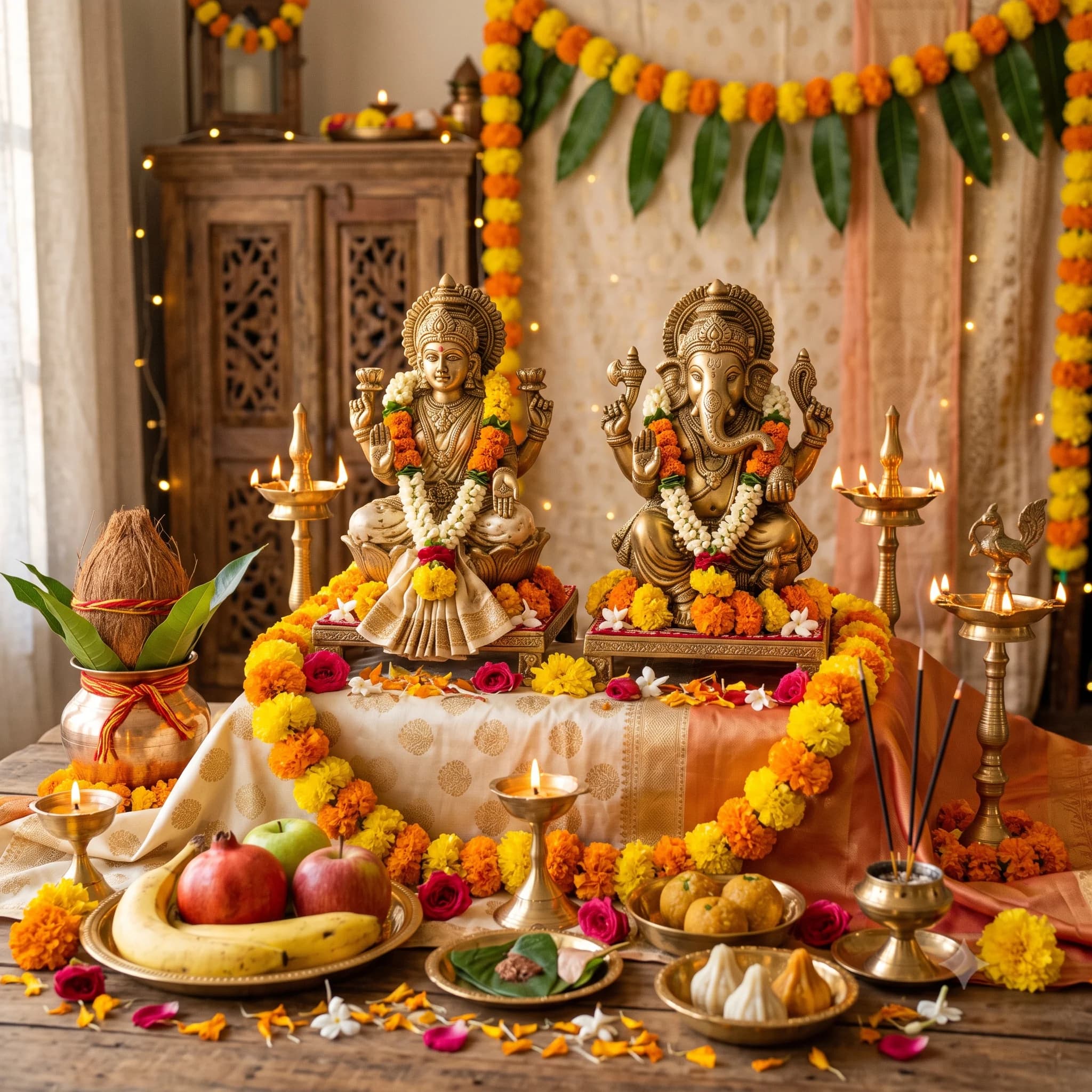
Diwali, or Deepavali, the festival of lights, is the most widely celebrated festival of the Hindu calendar. It marks the victory of light over darkness, knowledge over ignorance and good over evil. It is celebrated over five days, with the main night on the new moon (Amavasya) of Kartik, and it is also observed by Jains, Sikhs and Buddhists in their own ways.
Key takeaways
- "Deepavali" means a row of lamps. The main day is Kartik Amavasya, when Lakshmi Pujan is held in the evening.
- There are several legends: Rama's return to Ayodhya, the churning of the ocean and Lakshmi, and Krishna's victory over Narakasura.
- The festival has five days: Dhanteras, Naraka Chaturdashi, Diwali, Govardhan Puja and Bhai Dooj.
- Traditions vary by region and community, and it is celebrated by Jains and Sikhs for their own reasons.
Why Diwali is celebrated: the legends
- Rama's return: in the Ramayana tradition, Rama returned to Ayodhya with Sita and Lakshmana after fourteen years in exile and the defeat of Ravana. The people of Ayodhya lit rows of lamps to welcome him. This is the most widely told story in North India.
- Lakshmi: Goddess Lakshmi is said to have emerged from the churning of the ocean (Samudra Manthan), and is worshipped on this new moon night as the giver of prosperity.
- Krishna and Narakasura: in South and West India, the day before the main Diwali, Naraka Chaturdashi, celebrates Krishna's victory over the demon Narakasura.
- Bali and Vamana: in some regions, the story of Vishnu's Vamana avatar and King Bali is remembered, and Bali Pratipada is observed.
- Kali: in Bengal, Odisha and Assam, Diwali night is for Kali Puja.
The five days of Diwali
- Dhanteras: the thirteenth day of the dark fortnight. Worship of Dhanvantari, Lakshmi and Kubera and buying something new. See Dhanteras.
- Naraka Chaturdashi (Choti Diwali): an early oil bath and lamps before dawn in many regions, remembering the victory over Narakasura.
- Diwali (Lakshmi Pujan): the main evening on Amavasya with Lakshmi-Ganesh puja, lamps, rangoli, sweets and fireworks in some places. See our Lakshmi puja vidhi.
- Govardhan Puja or Annakut: remembering Krishna lifting the Govardhan hill. A mountain of food is offered. In Gujarat it is also the new year.
- Bhai Dooj: sisters pray for their brothers, who in turn give gifts. A celebration of the sibling bond.
Regional flavours
- North India: lamps, Lakshmi puja, sweets and card games among families.
- Gujarat and Rajasthan: Chopda Pujan, the worship of new account books, and the New Year the day after.
- Maharashtra: Abhyanga snan, the oil bath, and fort-building by children in some places.
- South India: early bath before dawn on Naraka Chaturdashi, new clothes and sweets.
- Bengal: Kali Puja on the night of Amavasya.
Beyond Hinduism
Jains observe Diwali as the day Lord Mahavira attained nirvana. Sikhs celebrate Bandi Chhor Divas, remembering Guru Hargobind's release. Some Buddhist communities, such as the Newar Buddhists of Nepal, also celebrate it. The shared message is the triumph of light.
What the lamp stands for
A lamp is a quiet symbol: it clears a small area of darkness, and it can light other lamps without losing its own flame. Families clean and decorate the home, light lamps, forgive old quarrels and share sweets. For many, the inner meaning is more important than the outer festivities: dispelling ignorance, anger and greed within oneself.
Diwali for families abroad
For families outside India, the date and the muhurat should be taken from a panchang for their city, and the evening often needs planning around work. Read our guide to Diwali Lakshmi puja abroad. For a short overview of the pooja and the samagri, see the complete guide to Diwali pooja.
Frequently asked questions
Is Diwali on a different date every year?
Yes. It follows the lunar calendar, falling on the new moon day of Kartik, usually in October or November.
Why is Diwali celebrated on a new moon night?
The darkest night makes lamps most meaningful, and it is the time tradition links to Lakshmi's worship and Rama's return.
Is it necessary to burst firecrackers?
No. Lamps, rangoli, prayer and sharing sweets are the heart of the festival. Many families now prefer quiet, eco-friendly celebrations.
Planning your Lakshmi pooja?
Get the right muhurat and a pandit for your home or business.
